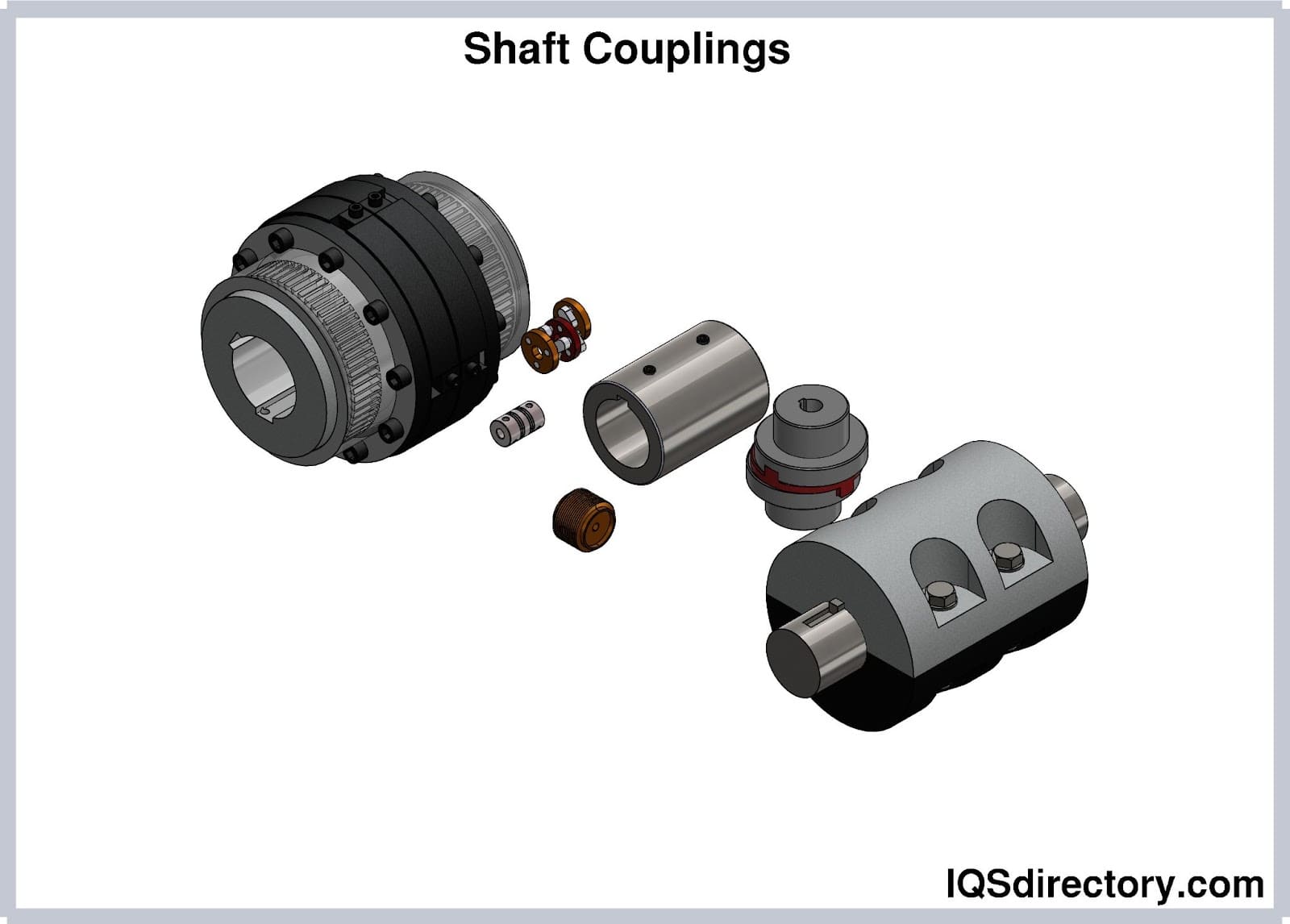
Shaft couplings provide secure connections between shafts, wheels, and rotary equipment. In addition, flexible shaft couplings are used to prevent misalignment, which can be caused by an unbalanced or bent shaft. Read More…
Our shaft couplings are the best around! Not only do we provide you with exceptional levels of customer service but we also provide you with manufacturing and a repair service that you can count on. We are also capable of providing you with special designs. That’s right! Our design team will work closely with you in order to ensure that you are getting the product that will fit your specific...
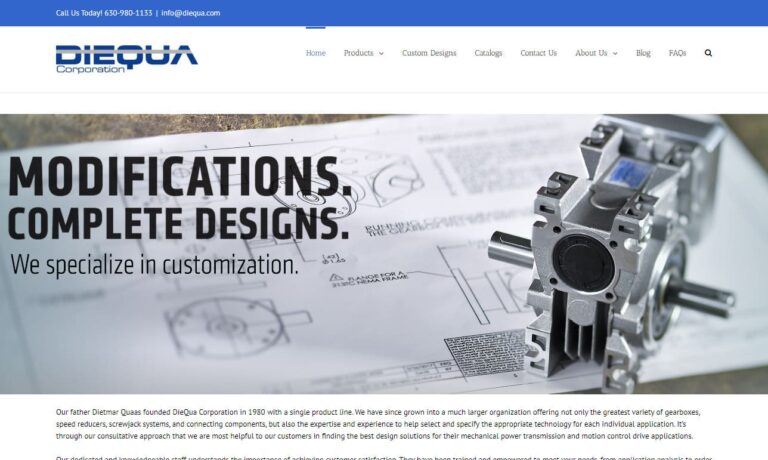
At Coupling Corporation of America, we devote ourselves to engineering shaft couplings that deliver exceptional precision, durability, and performance for complex motion control and power transmission applications. We design each coupling to accommodate the unique torque, misalignment, vibration, and speed demands of our customers’ equipment, ensuring smooth, efficient operation even under...

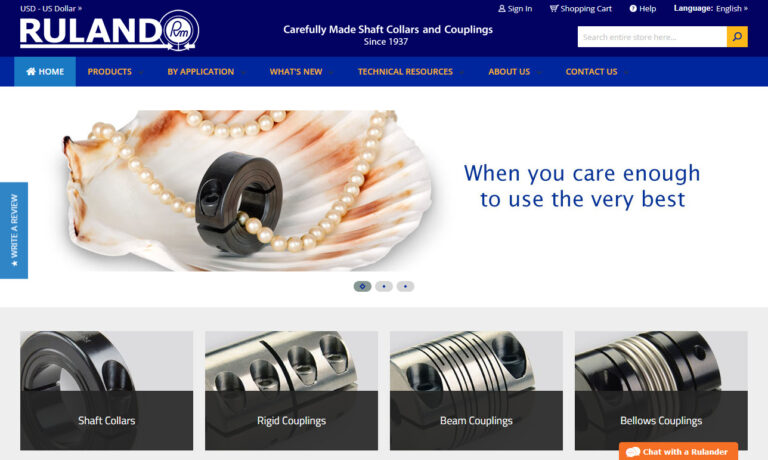
Ruland’s carefully made shaft collars, rigid shaft couplings & zero backlash motion control flexible shaft couplings, including beam, Oldham & bellows couplings, are available in both inch & full-metric dimensions. Our line has expanded to include metric shaft collars, metric rigid couplings & step bore rigid couplings. For 70 years, we have supplied custom-made products to meet special needs.
Founded in Buffalo, NY in 1946, Power Drives, Inc. (PDI) designs and manufactures custom-engineered hose and tube assemblies for original equipment manufacturers (OEM), and engineered systems for locomotives and other mobile equipment. PDI also distributes a wide range of hydraulic, pneumatic and electromechanical components for fluid conveyance, motion control and power transmission applications ...





More Driveshaft Manufacturers
Complete Guide to Driveshafts: Applications, Materials, Manufacturing, and Selection
Driveshafts, also known as propeller shafts or drive shafts, are critical components in the transmission of mechanical power in a wide array of applications. They play a vital role in automotive drivetrains, industrial machinery, agricultural equipment, marine propulsion, and more. Understanding the design, materials, manufacturing processes, and key considerations for selecting the right driveshaft is essential for ensuring optimal performance, reliability, and safety in your equipment or vehicle.
What Is a Driveshaft?
A driveshaft is a mechanical component designed to transmit torque and rotation. Typically, it consists of a tubular shaft with an assembly on each end, such as a universal joint or CV (constant velocity) joint. Driveshafts range in length and diameter to accommodate varied torque loads and installation requirements.
How Are Driveshafts Used in Automotive Applications?
Driveshafts play an essential role in the drivetrain of automobiles, efficiently transferring power from the transmission or gearbox to the wheels. Depending on the type of vehicle—front-wheel drive (FWD), rear-wheel drive (RWD), all-wheel drive (AWD), or four-wheel drive (4WD)—the configuration and complexity of the driveshaft system can vary:
- Front-Wheel Drive (FWD): Utilizes short drive axles with constant velocity joints to transfer power to the front wheels.
- Rear-Wheel Drive (RWD): Employs a longer driveshaft to transfer engine torque from the transmission to the rear differential and wheels.
- All-Wheel Drive (AWD) and Four-Wheel Drive (4WD): Often feature multiple driveshafts—including two-piece driveshafts—connected by universal joints to distribute power between front and rear axles.
Automotive driveshafts must withstand high rotational speeds, fluctuating torque loads, and challenging environmental conditions. Choosing the right driveshaft design and material is crucial for vehicle performance, durability, and safety.
Beyond Automobiles: Common Driveshaft Applications
While automotive driveshafts are perhaps the most familiar, these components are widely used in a range of other industries and machinery, including:
- Motorcycles: Driveshafts serve as alternatives to chain and belt drives, providing clean, low-maintenance power transfer from the transmission to the rear wheel.
- Marine Vessels: Critical for connecting the inboard engine or transmission to the propeller shaft, ensuring efficient marine propulsion.
- Trucks and Semi-Trucks: Heavy-duty driveshafts deliver robust torque transmission for commercial vehicles and freight haulers.
- Industrial Equipment: Found in oil rigs, paper mills, sewage treatment plants, wind turbines, irrigation systems, and more, where they transfer mechanical power between motors and driven components.
- Agricultural Machinery: Tractors and harvesters rely on driveshafts to power implements and attachments.
- Heavy Equipment: Used in construction and mining vehicles for reliable power transmission under harsh conditions.
What Are the Main Types of Driveshafts?
When exploring driveshafts for your application, it’s important to understand the main types available, each suited to different performance and installation requirements:
- Single-Piece Driveshafts: Most common in passenger vehicles and light trucks, these are simple in design and ideal for shorter distances.
- Two-Piece and Multi-Piece Driveshafts: Used in longer wheelbase vehicles or when additional flexibility is needed, connected by center bearings and universal joints.
- Slip Yoke Driveshafts: Feature a sliding yoke to accommodate changes in length due to suspension movement.
- Telescoping Driveshafts: Allow for axial movement and are commonly used in agricultural and industrial machinery.
- Composite Driveshafts: Made from advanced materials such as carbon fiber for high performance, reduced weight, and improved vibration damping.
What Materials Are Used to Manufacture Driveshafts?
Driveshafts must balance strength, weight, and cost. The choice of material directly impacts performance, longevity, and application suitability. Common driveshaft materials include:
- High Carbon Steel: Traditional and highly durable, steel driveshafts offer excellent torsional strength but are heavier, which can affect performance and fuel economy in vehicles.
- Steel Alloys: Alloying elements such as chromium, molybdenum, and vanadium improve strength-to-weight ratio and resistance to fatigue, making them popular in high-performance and heavy-duty applications.
- Aluminum: Lightweight yet strong, aluminum driveshafts reduce rotational mass, improving throttle response and fuel efficiency, especially in sports cars and racing vehicles.
- Composite Materials: Advances in polymer matrix composites, such as fiberglass, carbon fiber, and hybrid carbon-glass, have led to the development of high-strength, lightweight driveshafts. These materials allow for higher rotational speeds, improved vibration damping, and enhanced corrosion resistance.
Curious about composite vs. steel driveshafts? Jump to our in-depth comparison below.
How Are Driveshafts Manufactured?
Manufacturing techniques for driveshafts vary based on material, application, and required tolerances. The four most common construction methods are:
- Electroforming: Metal is deposited onto a mandrel layer by layer until the desired shaft thickness is achieved. The mandrel is then removed, leaving a precise, seamless driveshaft.
- Chemical Deposition (Electrodeposition): Similar to electroforming, this process uses electrochemical methods to deposit metals onto a form, resulting in strong, lightweight shafts.
- Mechanical Forming: Includes roll-forming and extrusion, where metal tubes are mechanically shaped to the desired profile, offering high production efficiency for standard driveshafts.
- Welding: Involves welding together rings or washers on the inside and outside of the shaft, then finishing to achieve a smooth, seamless tube.
Modern manufacturers employ precise quality control and advanced manufacturing processes to ensure driveshafts meet strict dimensional tolerances, balance specifications, and performance standards.
Composite vs. Steel Driveshafts: Which Is Right for Your Application?
Choosing between traditional steel and advanced composite driveshafts depends on several critical factors:
- Weight: Composite driveshafts are significantly lighter, reducing rotational inertia and improving acceleration, braking, and fuel efficiency.
- Strength: While steel offers unmatched torsional strength and durability, modern composites can match or exceed steel in certain configurations. However, some composites may have lower ultimate strength, requiring careful engineering.
- Cost: Steel driveshafts are usually more cost-effective for mass-market vehicles and standard industrial applications. Composite options are typically more expensive, but their performance benefits can justify the investment for high-performance, racing, or specialized industrial uses.
- Vibration Damping: Composite materials absorb vibration better, resulting in smoother operation and less noise—ideal for luxury and performance vehicles.
- Corrosion Resistance: Composite driveshafts are inherently resistant to rust and corrosion, making them well suited for marine, off-road, and harsh industrial environments.
Still unsure which driveshaft material is best for your project? Ask yourself:
- What are your torque and RPM requirements?
- Is weight reduction a priority (e.g., for racing or aerospace applications)?
- Will the driveshaft be exposed to corrosive environments or extreme temperatures?
- What are your budget constraints for initial purchase and long-term maintenance?
Key Selection Criteria: How to Choose the Right Driveshaft
When selecting a driveshaft for your application, consider the following factors to ensure optimal performance, longevity, and safety:
- Length and Diameter: Proper sizing ensures the driveshaft can handle torque loads without excessive deflection or failure. Longer driveshafts may require intermediate supports or multi-piece construction.
- Material Choice: Balance weight, strength, cost, and environmental resistance based on your project's needs.
- Torque and Speed Ratings: Verify the driveshaft’s maximum torque and RPM ratings to match your application’s power transmission requirements.
- Connection Type: Select the appropriate end fittings (such as universal joints, CV joints, or bellows couplings) for compatibility with your gearbox, transmission, or driven component.
- Balance and Vibration Control: High-speed applications require precision balancing to minimize vibration, noise, and premature wear.
- Operating Environment: Consider exposure to moisture, chemicals, abrasive materials, and temperature extremes.
- Regulatory Standards: Ensure compliance with relevant automotive, marine, or industrial standards and certifications.
Looking for help sizing or specifying a driveshaft? Contact a driveshaft manufacturer or distributor for expert guidance tailored to your specific application.
Common Driveshaft Problems and Maintenance Tips
Proper driveshaft maintenance is essential for safe and efficient operation. Here are some common issues and how to address them:
- Vibration: Often caused by poor balance, worn universal joints, or misalignment. Regular inspection and balancing can help prevent premature failure.
- Noises: Clicking, clunking, or squeaking noises may indicate worn joints, inadequate lubrication, or damage to the shaft or yoke.
- Corrosion: Especially in steel shafts exposed to salt or moisture. Routine cleaning, inspection, and protective coatings help extend lifespan.
- Fatigue and Cracks: Repeated high torque loads can cause metal fatigue or cracking. Replace damaged driveshafts immediately to avoid catastrophic failure.
- Universal Joint Wear: Lack of lubrication or contamination leads to excessive play and joint failure. Use high-quality lubricants and follow recommended service intervals.
How often should you inspect your driveshaft? For vehicles, inspect at every oil change or at least twice a year. For industrial equipment, follow manufacturer maintenance schedules and monitor for vibration or noise changes.
Frequently Asked Questions About Driveshafts
- What is the difference between a driveshaft and a propeller shaft?
These terms are often used interchangeably; however, "driveshaft" is more common in automotive and industrial settings, while "propeller shaft" is often used in marine applications. - How do I know if my driveshaft needs replacement?
Symptoms include excessive vibration, clunking noises, visible damage or cracks, and worn universal joints. Prompt repairs can prevent further damage. - Can a damaged driveshaft be repaired?
Some minor issues (such as worn joints) can be repaired, but significant damage or imbalance usually requires replacement for safety and reliability. - Are aftermarket driveshafts better than OEM?
Aftermarket driveshafts can offer improved performance, materials, and customization, but it’s essential to choose reputable brands and ensure compatibility with your vehicle or machine. - What is the lifespan of a driveshaft?
Lifespan varies widely by application, driving conditions, material, and maintenance. Automotive driveshafts can last 75,000–150,000 miles or more with proper care.
Driveshaft Innovations and Industry Trends
The driveshaft industry is constantly evolving, with recent innovations focused on:
- Composite Materials: Further advancements in carbon fiber, hybrid composites, and nano-materials deliver unprecedented strength-to-weight ratios and durability.
- Additive Manufacturing (3D Printing): Enables rapid prototyping and custom driveshaft designs for specialized applications.
- Smart Driveshafts: Integration of sensors for real-time monitoring of vibration, temperature, and torque, supporting predictive maintenance and improved safety.
- Eco-Friendly Manufacturing: Adoption of sustainable materials and energy-efficient production techniques.
Want to stay updated on the latest driveshaft technologies? Subscribe to industry newsletters, follow leading manufacturers, or contact us for updates on product releases and technical insights.
Where to Buy Driveshafts: Tips for Sourcing Quality Products
Whether you’re replacing an automotive driveshaft, upgrading for performance, or specifying industrial power transmission components, choosing a reputable supplier is crucial. Consider the following when sourcing driveshafts:
- Supplier Reputation: Look for established manufacturers and distributors with a history of quality, reliability, and customer support.
- Product Range: Ensure the supplier offers a comprehensive selection of driveshafts, including custom, OEM, and aftermarket options.
- Technical Support: Access to engineering assistance, CAD drawings, and application advice can streamline your project.
- Warranty and Certifications: Verify warranty terms and compliance with relevant industry standards.
- Lead Times and Shipping: Check availability and delivery options to minimize downtime.
Ready to find the right driveshaft for your needs? Start your search by browsing universal joint and bellows couplings manufacturers for compatible components.
Conclusion: Maximize Performance and Reliability with the Right Driveshaft Solution
Driveshafts are at the heart of efficient power transmission in vehicles, machinery, and countless industrial applications. By understanding the types of driveshafts, materials, manufacturing processes, and selection criteria, you can make informed decisions that maximize performance, safety, and long-term value.
Whether you’re curious about composite vs. steel options, need tips for maintenance, or want guidance on custom driveshaft solutions, comprehensive research and expert advice will help you select the best component for your requirements. For more in-depth technical resources or to connect with leading driveshaft manufacturers, explore related topics on our site or contact us directly.
Looking to learn more about power transmission components? Explore our guides on bellows couplings, flexible couplings, and universal joints for deeper insights into drivetrain and machinery optimization.

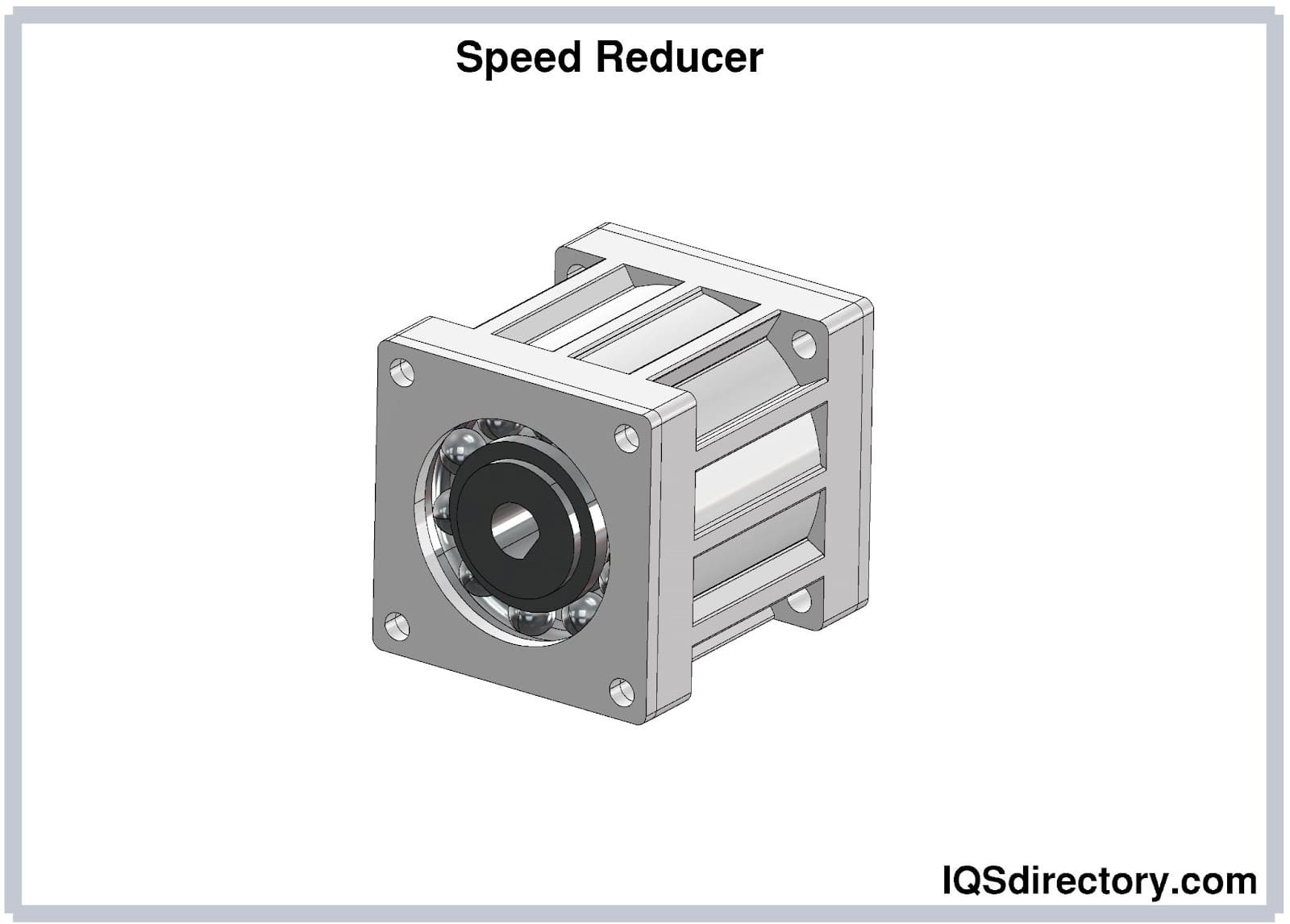
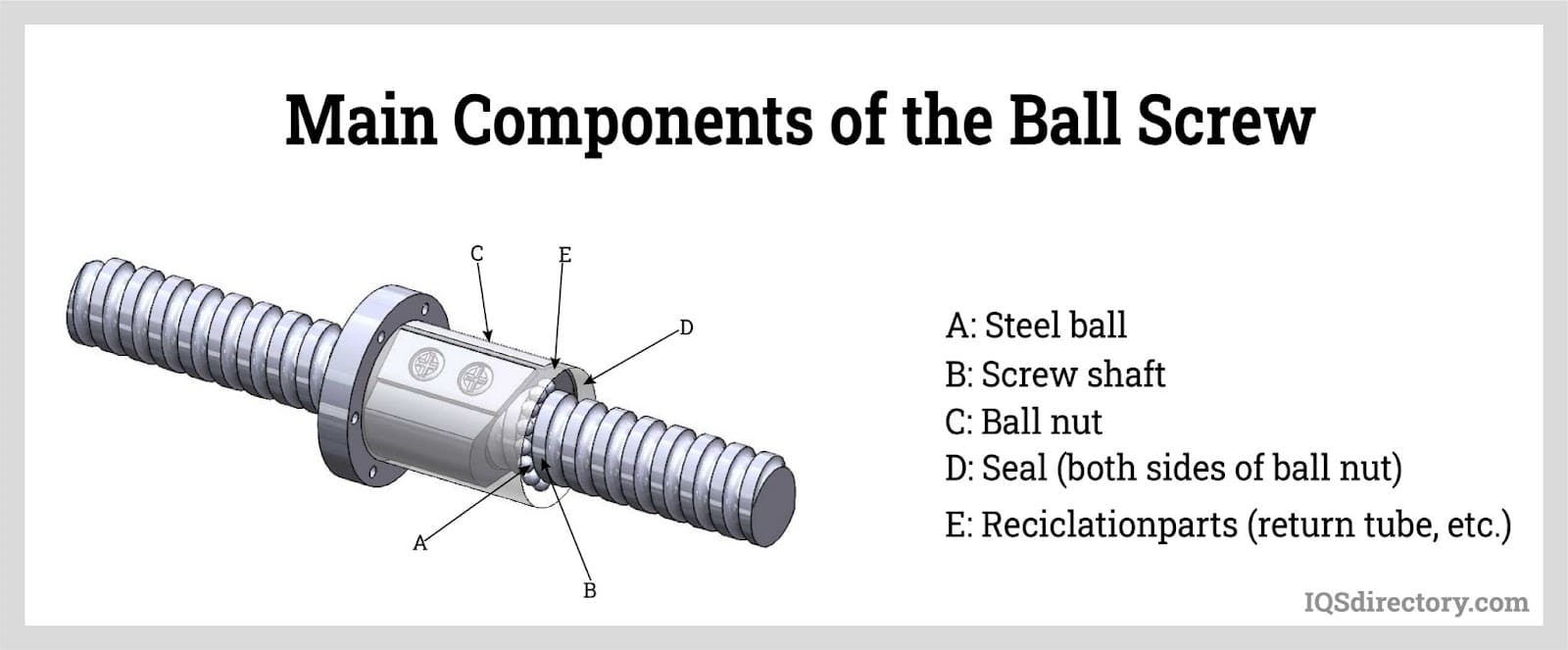
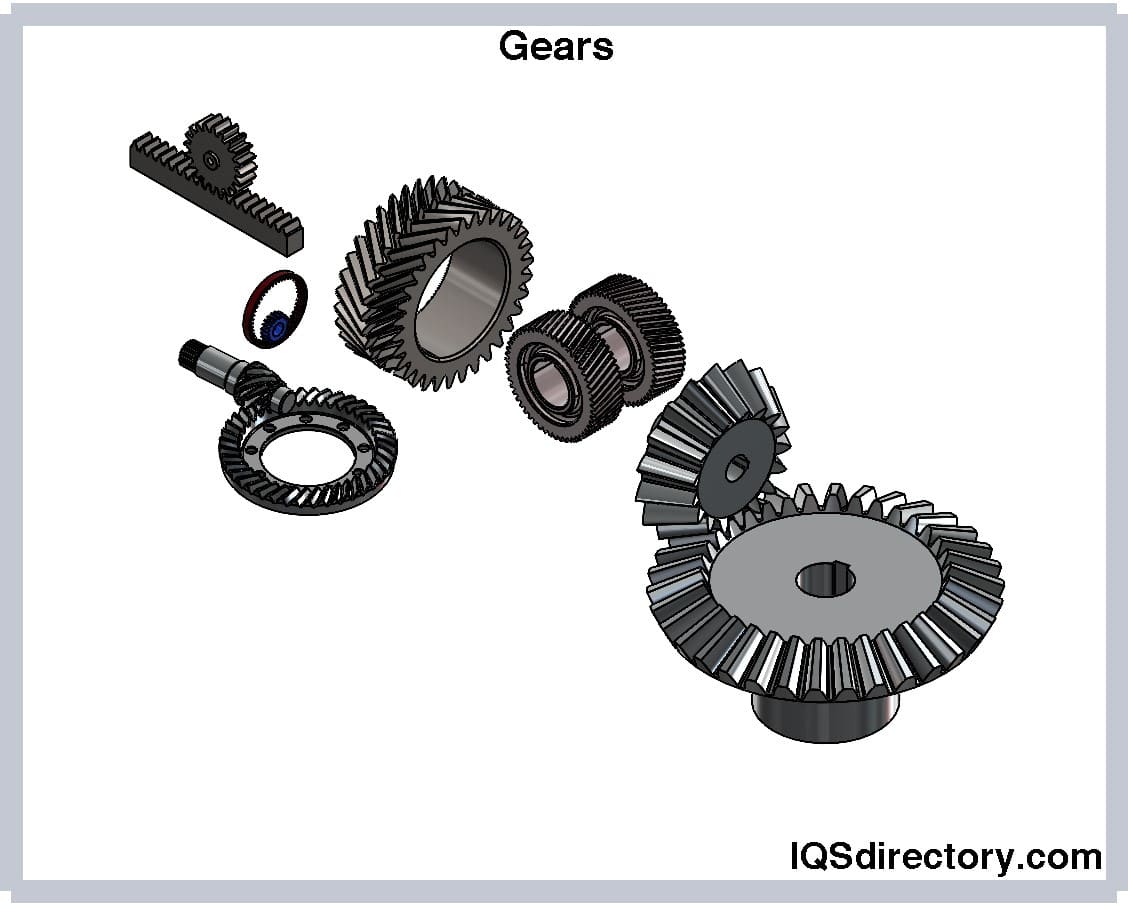
 Ball Bearings
 Ball Screws
 Electric Motors
 Friction Materials
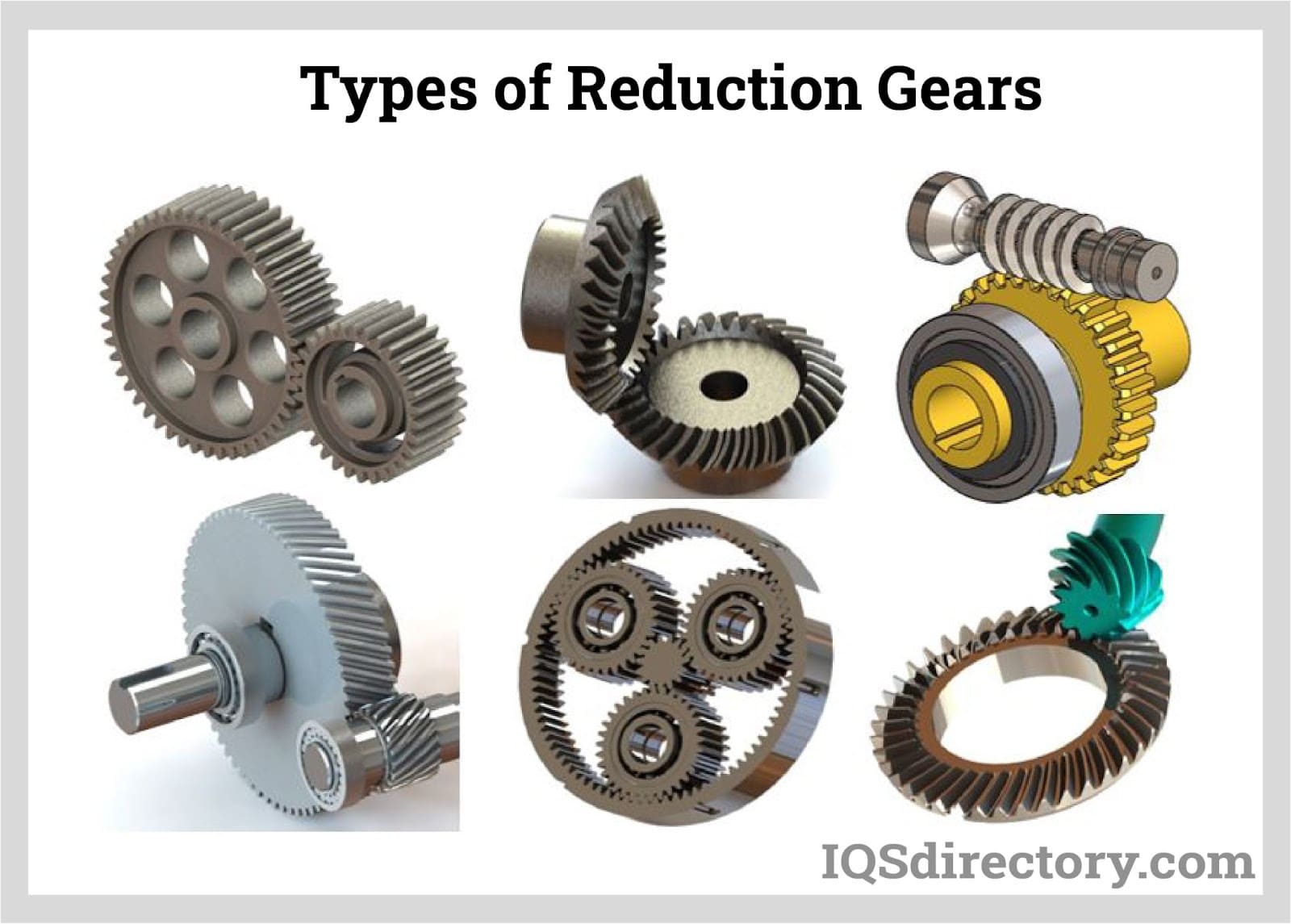
 Gears
Gears Quick Release Couplings
 Shaft Couplings
 Speed Reducers
 Timing Belting
 Castings & Forgings
 Bulk Material Handling
 Electrical & Electronic Components
 Flow Instrumentation
 Hardware
 Material Handling Equipment
 Metal Cutting Services
 Metal Forming Services
 Metal Suppliers
 Motion Control Products
 Plant & Facility Equipment
 Plant & Facility Supplies
 Plastic Molding Processes
 Pumps & Valves
 Recycling Equipment
 Rubber Products & Services